What a professional facial does for oily skin, which steps and ingredients matter, how often to book, and how to care for your skin afterward.

The best facial for oily skin cleans deeply without stripping the skin. It exfoliates inside the pores, uses extractions only when they are done with control, and finishes with hydration and sun protection. A licensed esthetician builds the treatment around your skin on the day you come in, and most people book one every four to six weeks. Below we explain what happens in the treatment room, which ingredients and techniques are involved, and how to keep your skin balanced between visits.
Key Takeaways
- Oily skin still needs moisture. A good oily skin facial balances the skin rather than drying it out.
- A typical professional facial includes cleansing, exfoliation, a mask, moisturizer and light massage. Steam, extractions, serums and LED light are common additions for oily or blemish-prone skin.
- Cleveland Clinic describes every four to six weeks as an ideal rhythm, which roughly follows the skin’s renewal cycle.
- Extractions belong in the hands of a licensed professional, and results last longest when you pair the facial with a daily routine of oil-free, noncomedogenic products and SPF.
- Tell your esthetician about rosacea, eczema, sunburn or a recent reaction before the treatment starts.
Table of Contents
- Why Your Skin Gets Oily
- What Happens During a Professional Facial for Oily Skin
- Ingredients That Suit Oily Skin
- What a Facial Can Do for Oily Skin
- How Often to Book
- Our Perspective
- Choosing the Right Facial for Your Skin
- Before You Go: Safety and Timing
- Aftercare That Keeps Skin Balanced
- Book an Oily Skin Facial in Littleton
- FAQ
- Sources
Why Your Skin Gets Oily
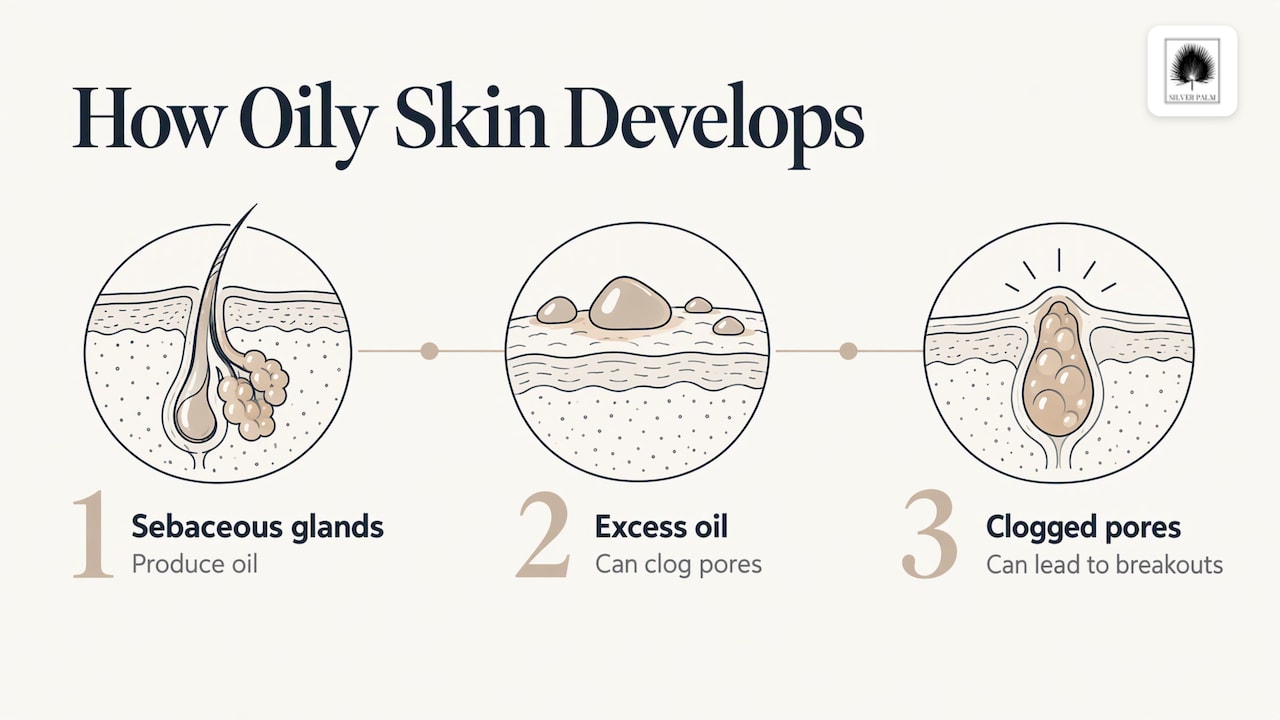
Oily skin starts in the sebaceous glands, the small glands in the skin that produce oil. MedlinePlus lists gland activity, genes and hormones among the central causes, and notes that oily skin may contribute to acne.
The American Academy of Dermatology adds that excess oil can clog pores and lead to more breakouts. That is why a facial for oily skin focuses on keeping pores clear while leaving the skin’s surface comfortable.
This also explains why the common instinct to scrub harder rarely helps. The AAD recommends cleansing up to twice a day and after sweating, using gentle cleansers and without scrubbing. A professional facial adds the deeper, controlled cleaning that daily washing can’t give you.
What Happens During a Professional Facial for Oily Skin
A facial is a noninvasive treatment customized to your skin type and needs. Cleveland Clinic says a standard facial typically includes cleansing, exfoliation, a personalized mask, moisturizer and light massage, and it may also include steam, extractions or serums.
For oily skin, here is how those steps usually play out.
1. Consultation and cleansing
Your esthetician looks at your skin and asks about your routine, your products and anything that has changed lately. Then comes a cleanse that removes makeup, sunscreen and surface oil. This is the moment to mention medications, recent sun exposure or anything that has irritated your skin.
2. Warmth and steam
Steam or warm towels soften the skin and the contents of the pores so the next steps work more comfortably. Medical News Today lists steam or warm towels among the standard stages of a professional facial.
3. Exfoliation
Exfoliation lifts dead cells that mix with oil and settle in the pores. Your esthetician chooses the method based on how your skin looks and feels that day. The AAD’s exfoliation guidance stresses that stronger methods need less frequent use, and that your skin type, current products and tendency toward dark marks should guide the choice. A professional can match the intensity to you in a way a one-size product can’t.
4. Extractions, when appropriate
Extractions clear blackheads and whiteheads. Medical News Today notes they should be performed by dermatologists or highly skilled or licensed estheticians, and that facials carry risks such as bruising, scarring and infection when done poorly. Careful, selective extraction is what makes the step worthwhile. Forcing a blemish can turn simple congestion into inflammation, so a skilled provider will often leave certain spots alone.
5. Mask, serum and treatment add-ons
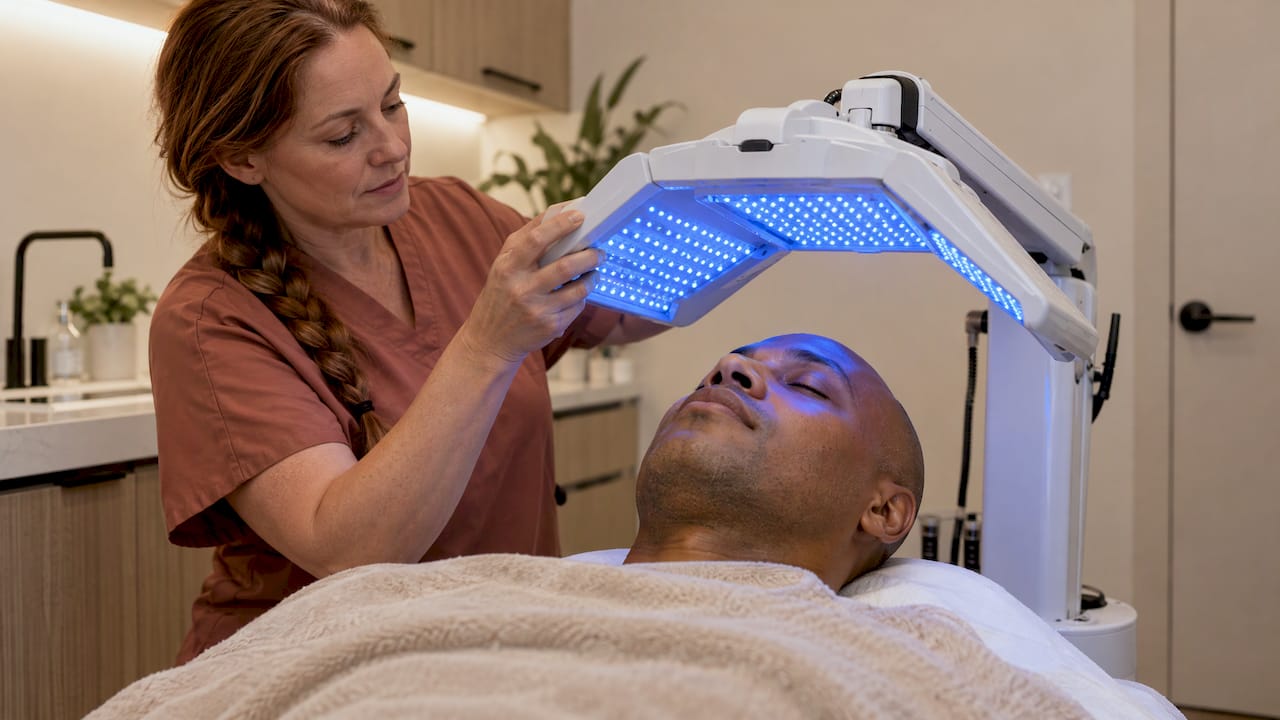
A mask chosen for oily skin settles the surface and helps absorb excess oil. Serums and add-ons such as LED light come next. UPMC notes that facials for acne-prone skin may include salicylic acid or benzoyl peroxide, blue LED light, extractions, moisturizer and SPF.
6. Moisturizer and sunscreen
The finish is hydration and protection. Oily skin that has been exfoliated still needs a lightweight moisturizer, and sunscreen goes on before you leave if you are heading outside.
Ingredients That Suit Oily Skin
Ingredient choices are where facials for oily skin differ most from facials for dry or mature skin.
Salicylic acid. UPMC explains that salicylic acid works well for oily skin because it breaks through oil and exfoliates inside the pores. It is a staple in cleansers, toners and professional-strength treatments.
Glycolic and lactic acids. The AAD notes that salicylic, glycolic and lactic acids may reduce oiliness, though they can be too irritating for some people. If your skin stings easily, say so, and your esthetician can pick a gentler option or a lower strength.
Benzoyl peroxide. It sometimes appears in blemish-focused regimens. If you want to understand how it differs from salicylic acid in daily use, this comparison of salicylic acid and benzoyl peroxide is a clear starting point.
Oil-free, noncomedogenic formulas. The AAD recommends oil-free, noncomedogenic products for oily skin, meaning products formulated not to clog pores. Look for those words on moisturizers, sunscreens and makeup.
Blue LED light. UPMC lists blue LED light among the tools used in facials for acne-prone skin. At Silver Palm, LED therapy is part of what we offer, so it is a good topic to raise during your consultation.
What a Facial Can Do for Oily Skin
Cleveland Clinic says facials can hydrate and exfoliate the skin, reduce hyperpigmentation and oil production, shrink the look of pores, increase circulation and help you relax. Those last two matter more than people expect. An hour of warmth, massage and quiet is part of why many people leave a facial feeling reset.
Here is a realistic picture of how to use one.
| Goal | How a facial helps | What supports the result |
|---|---|---|
| Less shine | Deep cleansing and oil-absorbing masks | Oil-free moisturizer and gentle daily cleansing |
| Clearer pores | Exfoliation and careful extractions | Salicylic acid in your routine, if your skin tolerates it |
| Smoother texture | Controlled exfoliation | Regular visits roughly following the skin’s renewal cycle |
| Calmer skin | Soothing masks and massage | Sunscreen and avoiding harsh scrubbing |
Medical News Today points out that most facials offer modest, temporary results and that they don’t cure acne. Think of a facial as the professional layer of your care: it resets the skin, and your daily routine keeps it there. If you have persistent or painful breakouts, the AAD recommends seeing a dermatologist. A facial can sit alongside that care.
How Often to Book
Cleveland Clinic says every four to six weeks is ideal. That interval roughly follows the skin’s renewal cycle, and visits can be spaced farther apart once your concerns are under control. UPMC likewise says dermatologist-approved facials can happen as often as every four to six weeks, depending on the concern.
A simple way to plan it:
- First three months: book roughly monthly so the skin can settle into a pattern.
- Once your skin feels balanced: stretch the gap if your esthetician agrees.
- Before big events: schedule your facial a week or so ahead so any redness has time to calm.
Our Perspective
At Silver Palm, we think oily skin deserves a facial that is built around the person in the chair, not a menu item. Oily skin is not one thing. For one client it means a shiny T-zone and clogged pores, for another it means sensitivity and breakouts, and for a third it shows up only in summer or after a workout.
That is why we start with a conversation about your skin and your routine. Our Signature Custom Facial is designed to be tailored to what your skin needs that day, and our team also offers a DermaSweep Facial, LED therapy and high frequency skin treatments. We aim to choose steps that clean and refine without leaving the skin tight or irritated.
We also care about the setting. Skin responds to calm. An upscale, quiet room and an unhurried pace are part of the treatment, because relaxation is part of why people come back. We want every visit to feel memorable and leave you with a plan you can follow at home.
Silver
Choosing the Right Facial for Your Skin
Use these questions to narrow it down before you book.
- Is my skin oily everywhere or only in some areas? Combination skin often benefits from a custom facial that treats zones differently. A customized treatment is designed for exactly this.
- Is my skin reactive? Sensitive skin may need calming products and should avoid harsh exfoliants, according to UPMC. Mention this up front.
- Do I get frequent breakouts? Ask whether LED therapy, high frequency or extractions suit your skin, and how often to repeat them.
- Am I also dehydrated? Oily skin can lack water. If your skin feels tight but looks shiny, our guide to a facial for dehydrated skin explains what helps.
- Do I want more than a facial? If you are looking at deeper concerns like texture or uneven tone, a series of chemical peels in Littleton may be worth a conversation with your provider.
Colorado’s dry climate adds its own wrinkle. Even oily skin can lose water here, and we cover that balance in our piece on the best facials for Colorado’s dry climate. For a broader look at treatment types around the metro area, see our guide to facials in Denver.
Before You Go: Safety and Timing
Facials are performed by licensed skin care professionals such as estheticians. Tell yours about a few things before the treatment begins.
- Rosacea or eczema. UPMC advises telling your provider so they can adjust the products and techniques.
- Sunburn, peeling or a recent reaction. UPMC says to avoid facials if you are sunburned, peeling or recovering from a reaction. Reschedule and let the skin heal first.
- Active skincare. Mention any acids or retinoids you use. Stronger exfoliation on top of them can irritate the skin, which is the concern behind the AAD’s advice to match methods to your products and skin type.
- Stubborn or painful acne. Consult a dermatologist, as the AAD recommends for excess oil or acne that doesn’t settle.
If you are on prescription skin medication, ask your prescriber whether you should pause it before a facial.
Aftercare That Keeps Skin Balanced
Your esthetician can recommend skin care for after the facial, and Cleveland Clinic notes that caring for your skin between treatments helps maintain results. A simple routine does the job.
- Cleanse gently up to twice a day, and after sweating, with a gentle cleanser and no scrubbing, as the AAD advises.
- Moisturize every day. Choose an oil-free, noncomedogenic formula.
- Wear broad-spectrum sunscreen of SPF 30 or higher. The AAD includes this in its oily skin guidance. Freshly exfoliated skin deserves it even more.
- Go easy on exfoliating at home. Wait for your skin to feel comfortable, and add one active at a time.
- Skip picking. Leave extractions to the professional.
If your skin feels tight after a facial, that usually means you need more moisture, not less. Oily skin often responds well to a light gel or lotion.
Book an Oily Skin Facial in Littleton
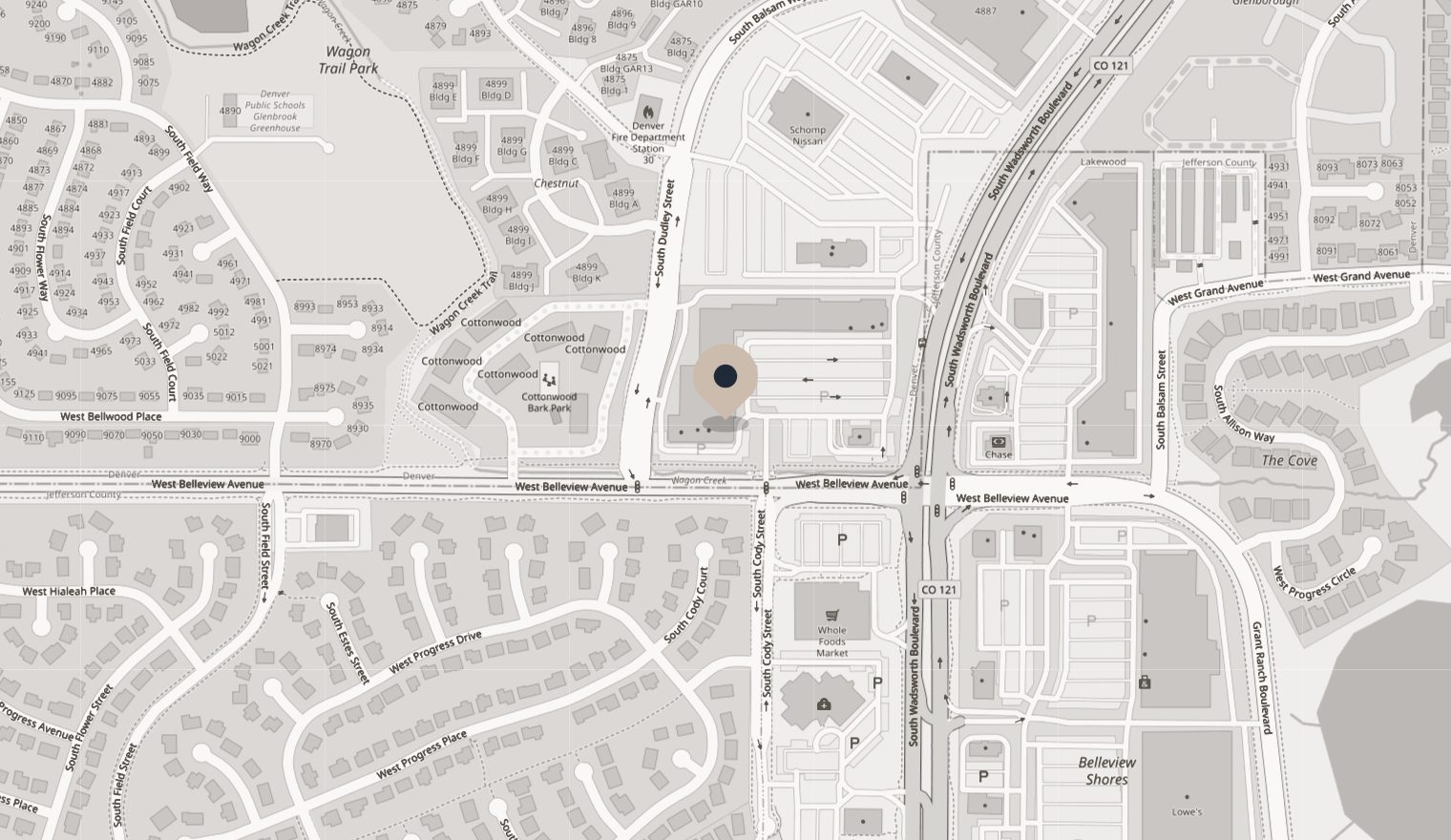
We offer the Signature Custom Facial and DermaSweep Facial at our Littleton salon and spa, along with LED therapy and high frequency skin treatments. If you live in Denver, Lakewood or Morrison, we are a short drive away. Tell us your skin concerns when you book, and we will help you choose the right treatment. You can also pair your visit with a massage or pedicure for a full self-care afternoon. Our team’s Littleton facials page lists the current options.
FAQ
Is a facial good for oily skin?
Yes. A facial tailored to oily skin can cleanse deeply, exfoliate, and hydrate without stripping. Cleveland Clinic says facials can reduce oil production and shrink the look of pores. Results are most lasting when you follow up with an oil-free routine and sunscreen.
How often should I get a facial if my skin is oily?
Every four to six weeks is the interval Cleveland Clinic calls ideal, because it roughly follows the skin’s renewal cycle. Once your concerns are under control, your esthetician may suggest spacing visits farther apart.
Why is my face so oily?
MedlinePlus points to sebaceous gland activity, genes and hormones as central causes. Oily skin can also clog pores and contribute to acne. If excess oil or breakouts bother you, the AAD recommends consulting a dermatologist.
Can a facial help with blackheads and breakouts?
It can help clear congestion through exfoliation and careful extractions, and blue LED light is sometimes included for blemish-prone skin. Extractions should be done by a licensed professional to avoid bruising, scarring or infection. For persistent or painful acne, see a dermatologist as well.
Should I wear makeup to a facial?
It is fine to arrive in your usual makeup, because the first step is a cleanse. Do tell your esthetician about any new products or reactions so they can adjust the treatment.
Sources
- How to control oily skin (American Academy of Dermatology)
- How to safely exfoliate at home (American Academy of Dermatology)
- Oily skin (MedlinePlus Medical Encyclopedia)
- Facials: What Are They, and What Do They Really Do? (Cleveland Clinic)
- Facials for acne: Use and effectiveness (Medical News Today)
- Do Facials Really Help Your Skin? (UPMC HealthBeat)